

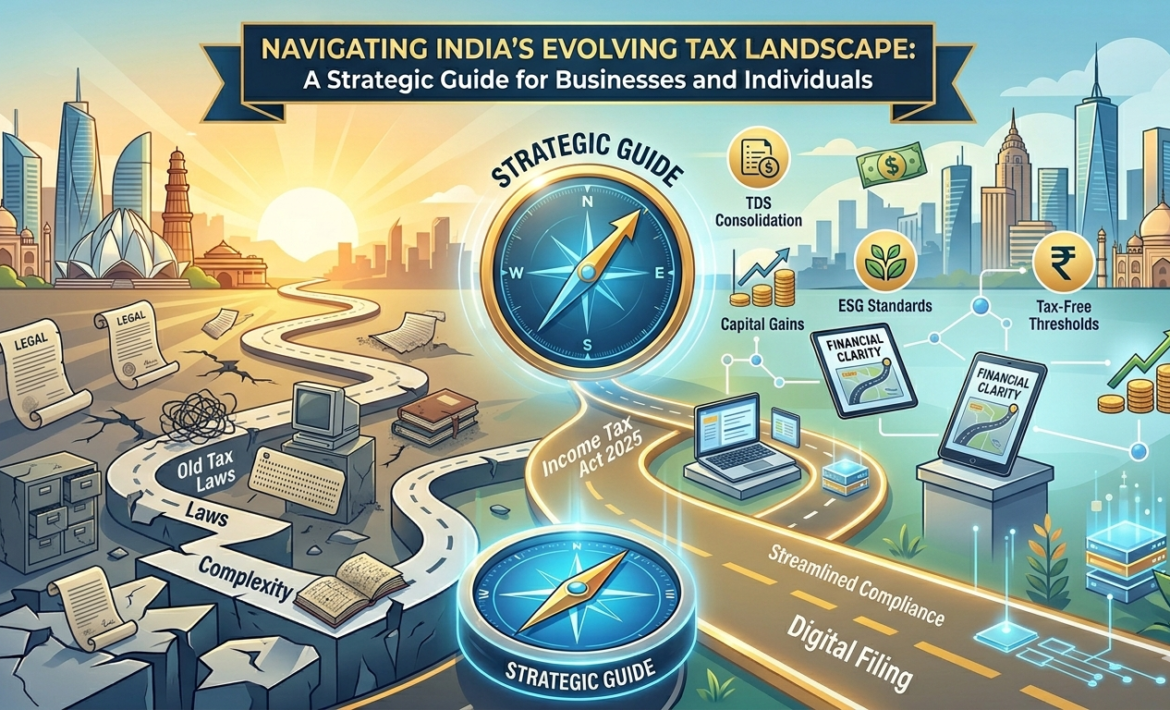

Introduction: Taxation Beyond Compliance
Taxation in India has undergone a significant transformation over the past decade, evolving from a routine compliance obligation into a critical strategic function that directly impacts financial stability and long-term growth. In today’s regulatory environment, individuals and businesses must approach taxation with foresight, precision, and a clear understanding of both legal and financial implications. With increasing scrutiny from authorities and the rapid digitisation of tax systems, even minor lapses can lead to substantial penalties or prolonged disputes, making it essential to adopt a proactive and well-informed approach.
Understanding the Structure of Taxation in India
India’s taxation system is broadly divided into direct and indirect taxes, each presenting its own complexities. Direct taxes, such as income tax and corporate tax, are imposed directly on individuals and entities based on their earnings and financial transactions. These often involve interpretational challenges due to frequent amendments and evolving judicial precedents. Indirect taxes, particularly after the implementation of GST, have introduced a unified but intricate framework that requires continuous monitoring. While GST has simplified the overall structure, it has also increased compliance responsibilities, making accuracy and documentation more important than ever.
Challenges in the Modern Tax Environment
One of the most pressing challenges faced by taxpayers today is the growing complexity of regulatory requirements. Frequent legislative changes, coupled with detailed compliance procedures, demand constant vigilance. Additionally, the shift towards digital systems such as faceless assessments and automated scrutiny has increased the importance of maintaining accurate and consistent records. Tax authorities now rely heavily on data analytics to identify discrepancies, leaving little room for error. As a result, taxpayers must ensure that their filings are not only timely but also precise and well-supported.
The Importance of Strategic Tax Planning
In this evolving landscape, tax planning has become an essential aspect of financial management. Effective tax planning is not about avoiding taxes but about optimising liabilities within the framework of the law. It involves evaluating the tax implications of transactions before they are undertaken, identifying potential risks, and ensuring proper documentation. A well-structured approach helps in minimising disputes and enhances financial efficiency. Particularly in complex areas such as corporate restructuring and cross-border transactions, early planning can significantly reduce exposure to litigation.
Tax Litigation and Dispute Resolution
Despite careful planning, disputes with tax authorities may still arise. In such cases, tax litigation requires a combination of legal expertise and financial understanding. Representation before appellate authorities and tribunals demands not only knowledge of statutory provisions but also the ability to interpret financial data and present it effectively. The success of a case often depends on how well the facts are structured and argued, highlighting the importance of experienced legal professionals in navigating these challenges.
Compliance as a Strategic Advantage
In the current regulatory environment, compliance is no longer merely a statutory obligation but a strategic advantage. Businesses that prioritise compliance are better positioned to avoid disputes, build credibility, and maintain smooth operations. Regular audits, timely filings, and proper reconciliation of records contribute to a robust compliance framework. Such practices not only reduce risk but also enhance the organisation’s reputation among stakeholders and regulatory authorities.
Emerging Trends in Indian Taxation
The future of taxation in India is being shaped by technology and global integration. The use of advanced analytics by tax authorities has increased transparency and efficiency, while international developments are influencing domestic policies. Businesses must adapt to these changes by staying informed and adopting forward-looking strategies. The ability to anticipate regulatory shifts and respond effectively will be a key factor in maintaining compliance and achieving sustainable growth.
Conclusion: The Need for Expert Guidance
Taxation today requires a blend of legal insight, financial expertise, and strategic thinking. It is no longer sufficient to address compliance requirements as they arise; instead, taxpayers must adopt a proactive approach that anticipates challenges and mitigates risks. With the right guidance, taxation can be transformed from a potential liability into a tool for optimisation and growth, ensuring long-term stability and success.